Why Do Software Engineers Abandon Projects Midway? The Hard Truth No One Talks About!
Software Engineering
You’ve spent months planning, researching your new product, hired a software engineer, and finally kicked off your project, only for the engineer to suddenly disappear, leaving you stranded with half-written codes and a product that doesn’t work.
Now, you’re scrambling to find another developer to pick up the pieces, often at a higher cost and with more delays.
Sounds familiar? You’re not alone.
Project abandonment is one of the most frustrating challenges for business owners and startup founders. In fact, studies show that Over 66% of Software projects experience delays or failure due to poor management, lack of clarity, or disengaged engineers.
But why does this keep happening? Is it the engineers? The project scope? Or something deeper that no one really talks about?
In this article, we break down the real reasons why software engineers leave projects halfway, the warning signs you should watch for, and how to ensure your next project doesn’t become another abandoned case study.
Let’s break down the hard truths that no one talks about.
Poor Project Management & Undefined Scope:
Many software engineers quit projects because of unclear expectations. Imagine being asked to build a house without blueprints you’d likely struggle, make errors, and eventually walk away from the project out of frustration.
According to a study by the Project Management Institute (PMI), 37% of projects fail due to a lack of clearly defined objectives.
If your project lacks well-defined requirements, engineers will struggle to see a clear path forward. Scope creep where new features are constantly added without proper planning also contributes to frustration. Engineers start to feel like they’re on an endless treadmill with no finish line.
How to Fix This:
Set clear, detailed project requirements; before development begins.
Use Agile or Scrum methodologies; to break down tasks into manageable sprints.
Assign a dedicated Project/Product Manager; who ensures engineers get timely feedback and well-organized tasks.
Lack of Proper Documentation & Code Maintenance
Many engineers hesitate to work on projects that lack proper documentation. If the original developer leaves without properly documenting their work, the next developer faces a mountain of confusion.
According to a 2023 GitHub survey, 93% of developers believe that poor documentation slows down productivity and increases project failure rates.
How to Fix This:
- Implement detailed technical documentation from day one.
- Use tools like Confluence, Notion, or GitHub Wikis to track project updates.
- Ensure that engineers follow clean coding principles and comment on their code properly.
Unrealistic Deadlines & Overwork (a.k.a. Burnout)
Many companies expect software engineers to perform miracles demanding complex features within unrealistic time frames. This constant pressure leads to burnout, frustration, and eventual resignation.
A survey was carried out by the team at Blind, an anonymous instant messaging (IM) and work conditions review app used by the employees of many top tech firms, such as Microsoft found that 57% of engineers report experiencing burnout due to excessive work pressure.
How to Fix This:
- Set realistic deadlines based on actual development timelines.
- Encourage a healthy work-life balance to prevent exhaustion.
- Prioritize tasks using the MoSCoW method (Must-have, Should-have, Could-have, and Won’t-have) to keep expectations in check.
Poor Compensation & Lack of Growth Opportunities
Top software engineers are highly sought after. If they feel undervalued—either in terms of salary or career growth—they won’t hesitate to move on to better opportunities.
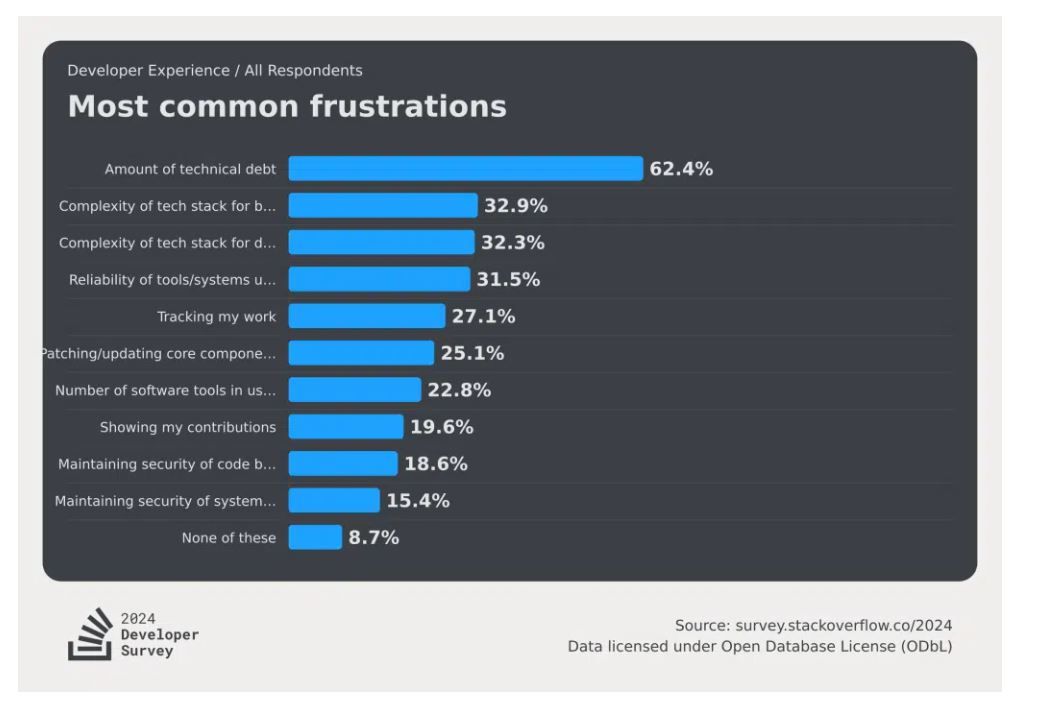
According to Stack Overflow's 2024 Developer Survey, 65% of engineers consider career growth and learning opportunities as key motivators when choosing a job.
How to Fix This:
- Offer competitive salaries that align with industry standards.
- Provide mentorship programs, training, and growth opportunities to keep engineers engaged.
- Recognize and reward contributions to keep motivation high.
Toxic Work Culture & Poor Communication
Communication breakdowns between business owners, project managers, and engineers can lead to misunderstandings, frustration, and project abandonment.
If engineers are constantly blamed for delays, micromanaged, or not given the flexibility they need to work effectively, they will likely leave.
How to Fix This:
- Establish a collaborative work environment with open communication.
- Use tools like Slack, Trello, or Jira to keep communication organized.
- Hold regular check-ins to address concerns before they escalate.
Not Working with the Right Development Model
Some companies choose to hire freelancers or assemble a team of random developers rather than having a structured and managed engineering team. This can lead to lack of accountability, team misalignment, and inconsistency.
Instead of taking the risk of hiring scattered developers, consider a Fully managed engineering team that provides stability, long-term commitment, and cost-effective solution.
Don’t let your project fall apart because of hiring mistakes. Visit our website to learn more about how we can help you achieve your team management and product development goals.