Website vs. Web App: Understanding the Core Difference
Software Engineering
In today's digital age, the terms "website" and "web app" are used frequently. But what exactly differentiates them? For most businesses, understanding this distinction is crucial for making informed decisions about their online presence and digital strategies.
Whether you're a startup looking to establish an online footprint or an established enterprise aiming to enhance customer engagement, this article will break down the key differences between websites and web apps, providing clarity and practical insights.
Navigating the intricacies of web applications can be challenging. At Tribesquare, we specialize in developing tailored web solutions that meet your business needs. Get long term Software Engineering teams with zero team-management troubles and lower costs.
What is a Website?

At its core, a website is a collection of interconnected web pages accessible through a web browser. These pages typically contain static content such as text, images, and videos, providing information to visitors.
Users can navigate through the site to access various sections, but their interaction is generally limited to viewing and reading the content.
Examples of websites include blogs, news portals, Company websites, online portfolios, and informational sites. Think of it as a digital brochure or storefront. Websites are primarily designed to deliver static content, such as:
- Information: Providing details about your business, products, services, and contact information.
- Content Marketing: Sharing blog posts, articles, and other forms of content to attract and engage visitors.
- Brand Building: Establishing an online presence and showcasing your brand identity.
- Online Presence: Creating a place where customers can find your business online.
Key Characteristics of a Website:
- Static Content: Primarily displays information that doesn’t change frequently.
- Informational Focus: Designed to provide information rather than facilitate complex interactions.
- Read-Only Interaction: Users primarily consume content, with limited interactive features.
- HTML, CSS, and JavaScript: Built using these technologies for structure, styling, and basic interactivity.
What is a Web App?
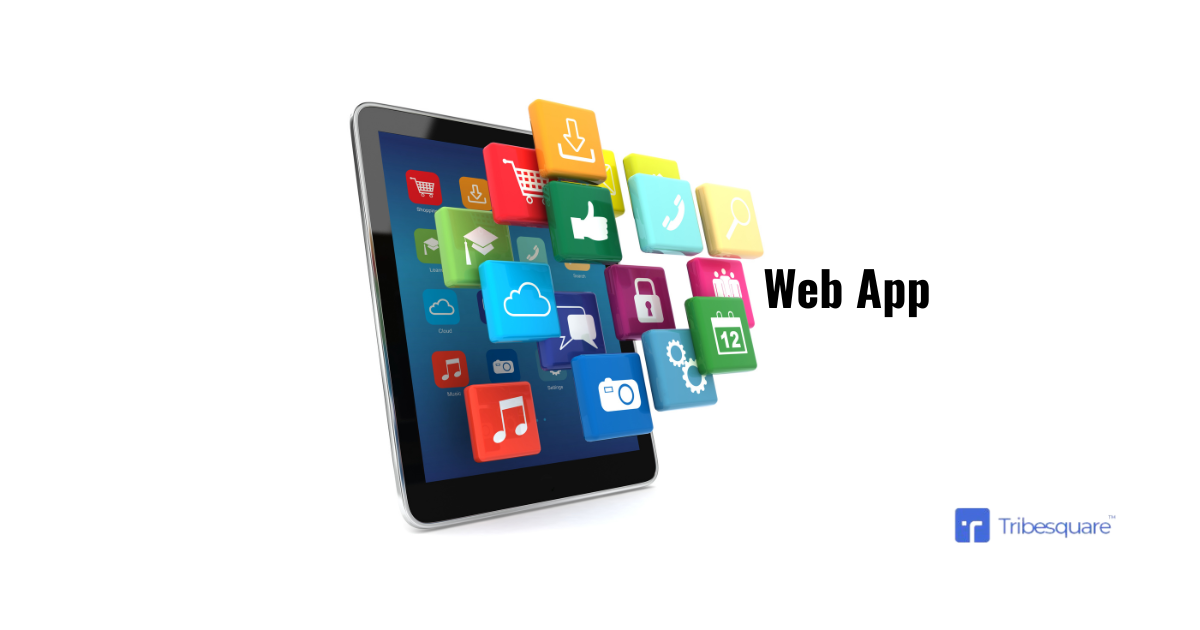
A web application, or web app, is a software application that runs on a web server and is accessed through a web browser. It is a dynamic platform that allows user interaction and data manipulation. Unlike websites, web apps perform specific functions and often require user authentication.
They are designed to provide a responsive, app-like experience within a web browser. Unlike a website, a web app is designed for interactive functionality, allowing users to perform specific tasks. Examples include online banking systems, and e-commerce sites where users can perform transactions.
Key Characteristics of a Web App:
Dynamic Functionality: Enables users to interact with and work data.
User Interaction: Focuses on providing a user-friendly interface for completing specific tasks.
Data-Driven: Often involves databases and server-side processing to handle user data.
Complex Interactions: Offers features like user accounts, data input, and real-time updates.
Advanced Technologies: Utilizes server-side languages (like Python, PHP, or Node.js) and front-end frameworks (like React or Angular) for advanced functionality.
Examples: Online banking platforms, e-commerce platforms (with user accounts and shopping carts), project management tools, social media platforms.
The Key Differences: A Detailed Breakdown
To further clarify the distinction, let's examine the key differences:
- Purpose and Functionality:
Website: Primarily informational, offering content for users to read or view without much interaction. It was designed for content consumption.
Web App: are interactive, enabling users to perform tasks such as submitting forms, making purchases, or engaging in discussions.
- User Interaction:
Website: Limited user interaction, primarily reading and navigating.
Web App: High level of user interaction, involving data input, manipulation, and real-time updates.
- Data Handling:
Website: With websites, there’s Minimal data handling, primarily displaying static content.
Web App: Extensive data handling, often involving databases and server-side processing.
- Complexity:
Website: Websites are generally simpler to develop, focusing on design and content presentation.
Web App: Are more complex, requiring robust backend development to manage functionalities and user interactions.
- Purpose:
Website: To provide information, build brand awareness, and establish an online presence.
Web App: To facilitate specific tasks, improve efficiency, and enhance user experience.
- Technology:
Website: Primarily uses HTML, CSS, and basic JavaScript.
Web App: Uses a broader range of technologies, including server-side languages, databases, and front-end frameworks.
The Relevance of Websites or WebApps to Businesses:
E-commerce: If you're running an online store, you’ll need a Web app to handle user accounts, shopping carts, and payment processing.
Service-Based Businesses: For businesses offering services like online consultations or booking systems, a Web app can streamline operations and enhance customer experience.
Startups: Tech startups in Nigeria often develop web apps to solve specific problems or provide innovative solutions.
Information Portals: News outlets, educational institutions, and government agencies may use a website to distribute information.
Internal Tools: Companies can develop web apps for internal use, such as project management or resource planning.
Final Thoughts:
Understanding the difference between a Website and WebApp empowers businesses to make informed decisions about their digital strategy. While websites serve as essential online brochures, web apps offer interactive functionalities that can drive growth and enhance user engagement.
By carefully considering your business needs and objectives, you can choose the right digital tool to achieve your goals and thrive in the competitive online landscape.
Understanding the distinctions between websites and web applications is essential for making informed decisions about your digital presence.
If you're considering developing a platform and need expert guidance to choose the right solution tailored to your business needs, Tribesquare is here to help. Our fully managed software engineering teams specialize in creating both websites and web applications that align with your objectives and engage your target audience effectively. Contact us today to discuss your project and discover how we can bring your vision to life.