From Idea to App: A Smarter Roadmap for Non-Technical Founders
Software Engineering
So you have a brilliant app idea. You’ve spotted a gap in the market, imagined how technology can solve it, and maybe even sketched out what the solution could look like. But there’s just one problem—you’re not a developer.
For many non-technical founders, this is where momentum dies. The fear of not knowing where to begin, of wasting money, or hiring the wrong developer, can stall even the most promising ideas. But here is the good news: building a successful product doesn’t start with writing code. It starts with strategy.
Why Ideas Fail When Built Too Fast
One of the most common mistakes founders make is rushing into development without doing the foundational work. You might have the budget, a willing freelancer or dev shop, and a launch date in mind—but if you haven’t validated your idea, you’re essentially gambling.
We've worked with numerous founders who built entire apps that no one ended up using. Not because the tech was bad, but because the product didn't meet a real need. Building without validation is like writing a book without knowing your audience. Even the best developers can’t fix a misaligned vision.
Validate Before You Build
Understand the Problem Deeply
Before writing a single line of code, ask: What problem am I solving? Who experiences this problem? How are they solving it now?
Validation means going beyond assumptions. It involves talking to real people, researching your target market, and seeing whether your idea resonates. At Tribesquare, we encourage founders to conduct user interviews, run small surveys, and explore competitor landscapes before investing in product development.
Create a Prototype — Not a Product
Rather than building the entire app, start with a clickable prototype. Tools like Figma let you simulate the user experience without building anything functional. Share this with potential users and gather feedback. What confuses them? What do they love? What’s missing?
This step not only saves you money, but it also brings clarity to what your Minimum Viable Product (MVP) should really be.
The Smarter Product Roadmap
A successful app isn’t just well-coded—it’s well-thought-out. After validation, the next step is defining a roadmap that keeps your development focused and aligned with user needs.
Step 1: Define the Core Value
What is the number one thing your app must do to be useful? Strip away all the nice-to- haves and find the one thing that matters most. That’s your MVP’s core feature.
Step 2: Map the User Journey
Think like a user. From opening the app to achieving a goal, what steps will they take? Mapping this journey helps you prioritize the features you need right away versus those that can wait.
Step 3: Develop with Feedback Loops
Once development starts, involve users. Get feedback early and often. It ensures that what you’re building aligns with real needs. Iteration is the secret to building a product people love.
Partnering with the Right Team
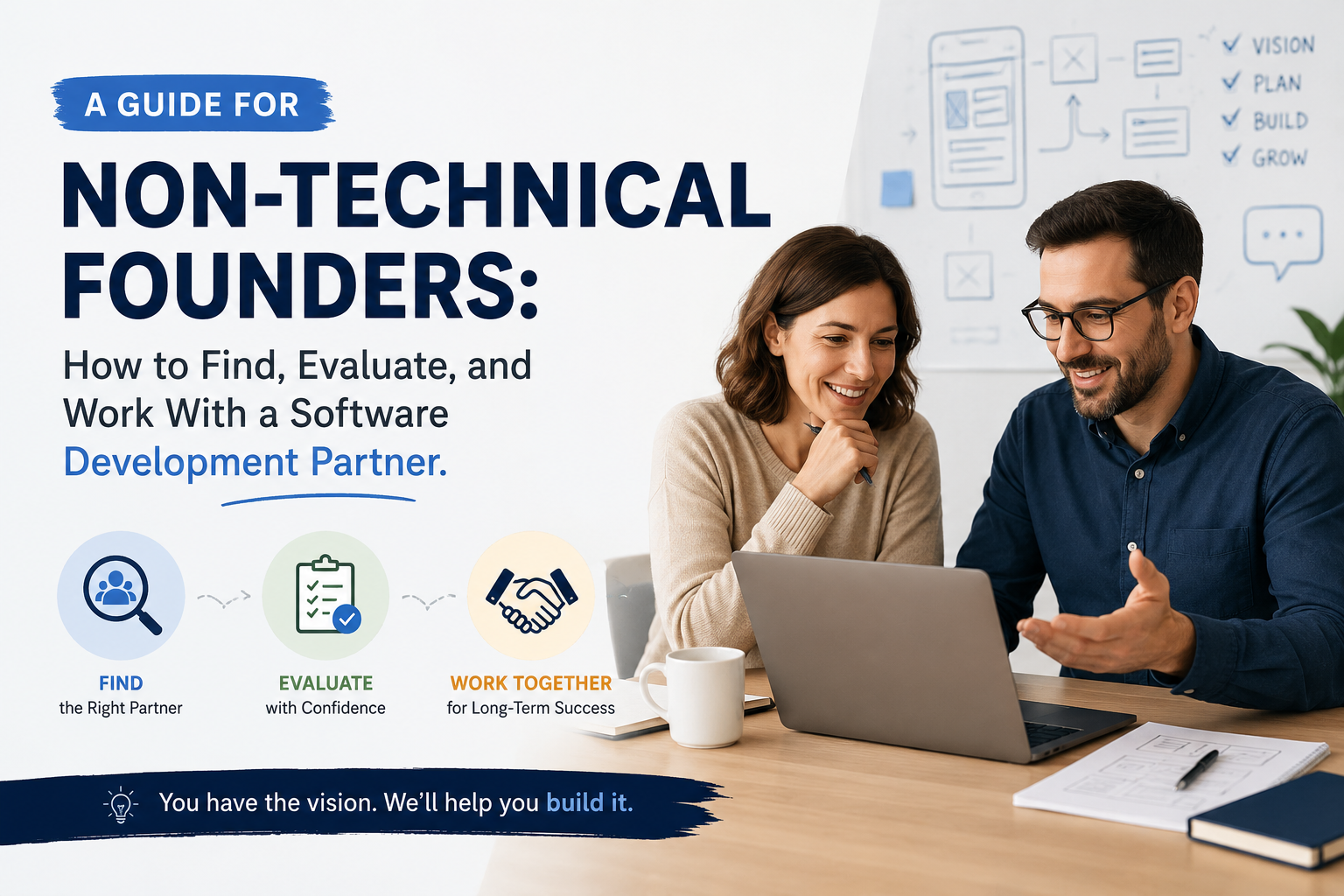
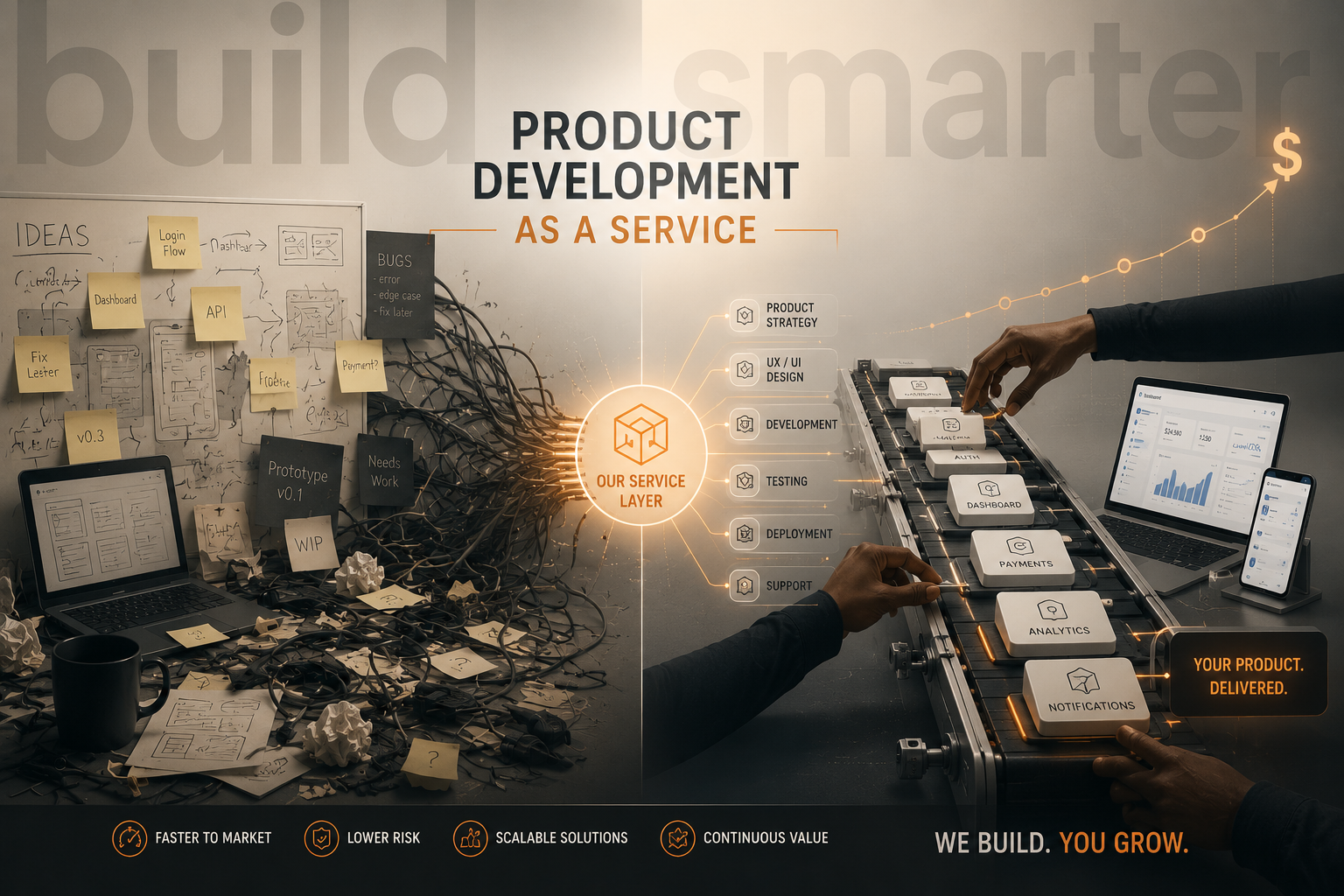
You don’t have to be a technical founder to build something impactful—but you do need a partner who understands both the business and technical sides of product development. At Tribesquare, we specialize in helping idea-stage and non-technical founders go from concept to market with confidence. Our process blends product strategy, validation, and user-centric design to ensure you’re not just building an app—but building the right one.
Conclusion
Every successful startup starts with an idea—but only those backed by strategy survive. If you’re a non-technical founder, the smartest move you can make isn’t to rush into coding. It’s to slow down, validate, and build a plan.
When you’re ready, Tribesquare is here to walk the journey with you—from idea to launch and beyond.
Book a free strategy session with us today.